Temporary Event Structures
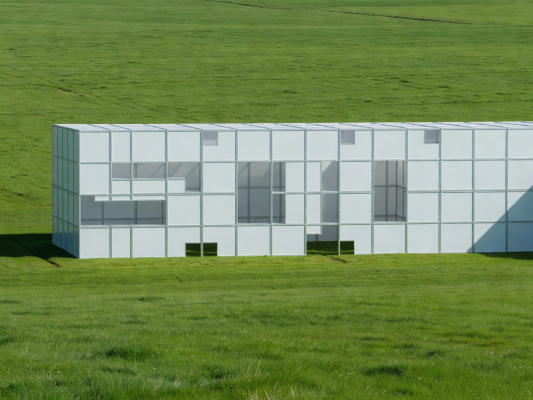
When you need a venue where none exists, temporary event structures are your absolute foundation. It’s not just about pitching a tent; it’s about crafting an architectural environment that feels permanent, secure, and perfectly tailored to your event’s specific needs. We treat temporary halls and pavilions with the same respect an architect gives a permanent building.
Modular Structures and Canopies
The beauty of modern event architecture lies in its modularity. Rather than a one-size-fits-all approach, we utilize modular framework systems that can be expanded in distinct bays (typically 3-meter or 5-meter increments). Need a massive exhibition space? We string them together. Need a sleek, curved canopy for an outdoor product launch? That’s achievable too.
Clear-span structures are the industry standard for a reason. Because they lack internal support pillars, you gain 100% usable floor space. This is critical when you are mapping out sightlines for a stage, plotting out complex exhibition booths, or designing an unhindered dining layout.
Structural Planning & Ground Conditions
A structure is only as reliable as its base. We don't just drop a pavilion on a lawn and hope for the best. Ground conditions dictate our anchoring methods. Hard standing surfaces like concrete might necessitate heavy concrete weighting blocks, while grassy fields generally allow for deep-driven steel stakes.
We always conduct a site survey to determine soil load-bearing capacity. If the ground is sloping or uneven, we integrate scaffold-based leveling sub-floors to ensure that the final wooden or cassette flooring is perfectly flat.
Weather Protection Methodologies
Look, the weather respects no one’s schedule. We specify PVC fabric weights and solid wall cassettes based on anticipated wind loads and seasonal risks. Standard roofs are highly water-resistant, but for premium events, we often utilize thermo-inflated roof covers. These air-filled pockets not only eliminate condensation drumming during heavy rain but also provide excellent thermal insulation against both heat and cold.
Access and Setup Considerations
Getting the gear to the site is half the battle. These structures arrive on massive articulated vehicles. We require clear transport routes, sufficient turning circles, and occasionally, specialized off-road forklifts to maneuver the heavy aluminum beams into position safely.
Advantages and Limitations
The clear advantage here is sheer flexibility. You can put a venue practically anywhere, tailored to your exact brand specifications. The limitations usually revolve around time—these structures take dedicated days to build safely. It's not an overnight job, and local permitting for temporary structures is a bureaucratic step that must be factored into your timeline early.